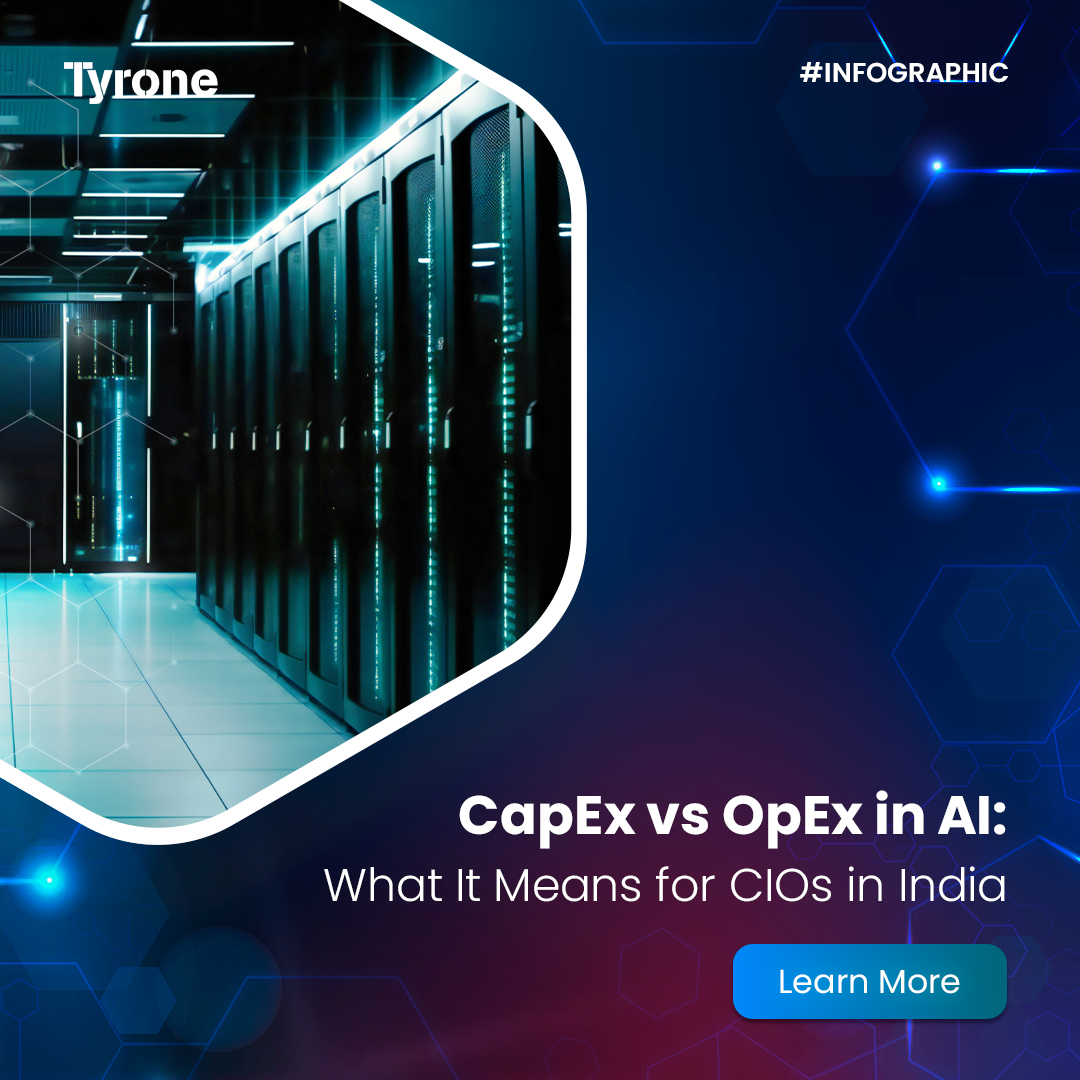
The classic CapEx versus OpEx debate has taken on new urgency in the age of artificial intelligence. For CIOs building AI capabilities, the financial model chosen today will shape not just budget allocations but organizational agility, risk exposure, and strategic flexibility for years to come. Public cloud AI services offer an OpEx-friendly, pay-as-you-go model that lowers upfront barriers and shifts capacity risk to the provider. On-premise and private cloud infrastructure represents a CapEx-heavy approach that demands significant initial investment but offers predictable long-term costs, complete data control, and the ability to tailor performance to specific workload requirements. In the Indian context, this calculation is further complicated by data localization laws that may preclude certain public cloud options, fluctuating GPU availability in global supply chains, and the strategic imperative to build sovereign AI capabilities. What many CIOs are discovering is that the CapEx versus OpEx binary is too simplistic—the real question is which model delivers the lowest total cost of ownership over the relevant time horizon, given specific workload patterns, compliance requirements, and growth projections. For organizations choosing the CapEx path, Make in India Servers are increasingly providing a compelling option—combining domestic manufacturing with global performance standards, predictable lead times, and alignment with government procurement initiatives. This infographic breaks down the real-world financial implications of each model, from depreciation schedules and utilization rates to the hidden costs of data egress and the value of infrastructure ownership as a strategic asset. For Indian CIOs navigating this decision, understanding the full economic picture is the first step toward building AI infrastructure that serves both the balance sheet and the mission.
Get in touch info@tyronesystems.com