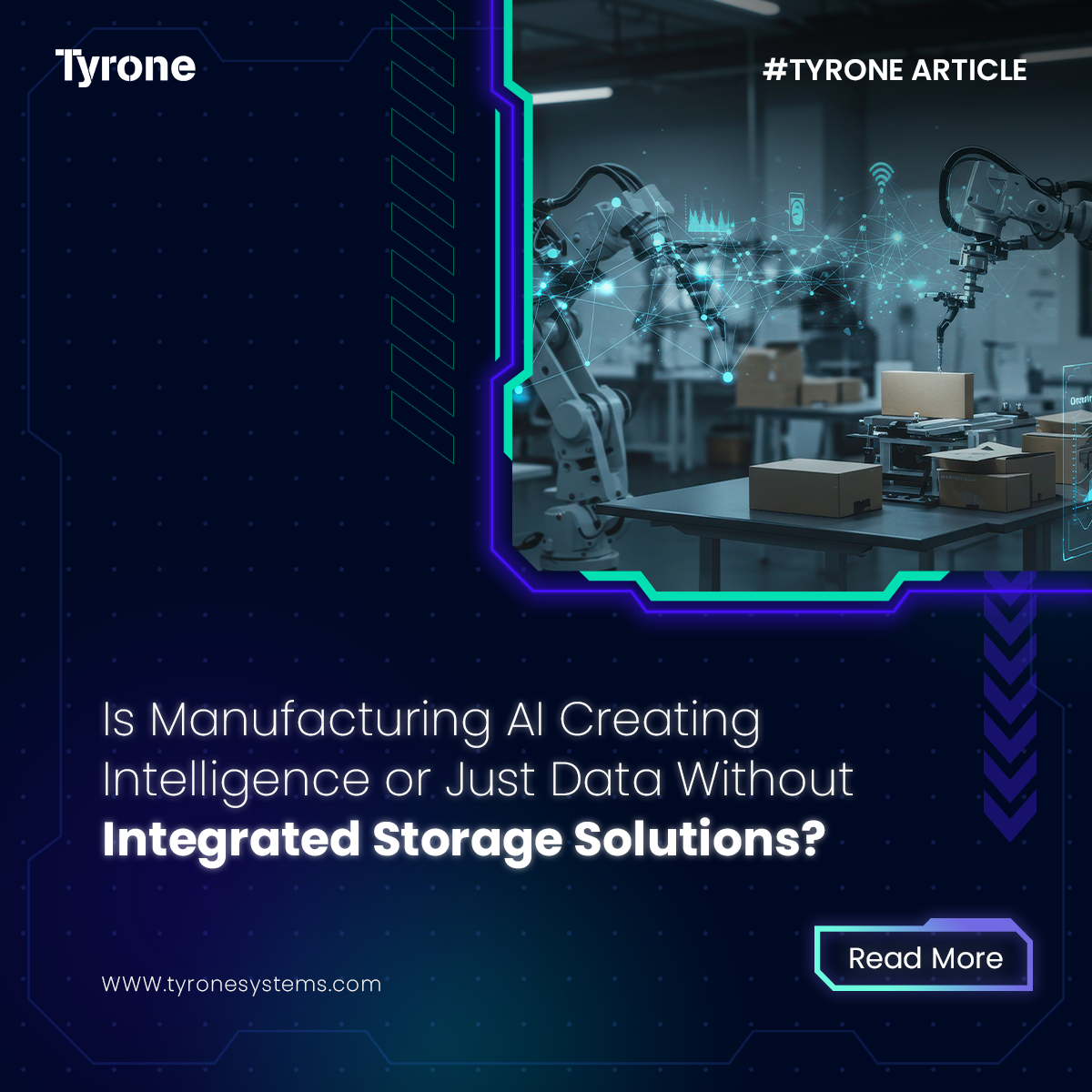
Artificial Intelligence is no longer experimental in manufacturing—it is operational. From predictive maintenance to computer vision–based quality inspection and demand forecasting, AI is deeply embedded in production ecosystems. Yet a strategic question remains for stakeholders: Are manufacturers truly generating intelligence from AI, or are they accumulating data without the integrated storage foundation required to convert it into measurable value?
AI systems do not create intelligence by default. They process data. Intelligence emerges only when data is accessible, contextualized, governed, and delivered at the right performance thresholds. That transformation depends not on algorithms alone—but on integrated storage architecture.
The Data Explosion Behind Manufacturing AI
Modern manufacturing environments generate extraordinary volumes of data from PLCs, IoT sensors, machine logs, MES platforms, robotics systems, and high-resolution inspection cameras. According to industry reporting, approximately 40% of manufacturing data is already being analyzed at the edge (Source: wifitalents.com).
This statistic reflects two realities:
- Data volumes are growing faster than centralized systems can traditionally handle.
- Manufacturers are attempting to reduce latency by pushing analytics closer to production.
However, edge analytics alone does not equal enterprise intelligence. When data remains fragmented across edge nodes, legacy storage arrays, and disconnected data lakes, AI models operate on partial datasets—producing insights that may be locally optimized but strategically limited.
Without integrated storage solutions that unify edge and core environments, AI risks becoming a high-speed processor of isolated data streams rather than a generator of enterprise-wide intelligence.
The Hidden Bottleneck: Storage Architecture
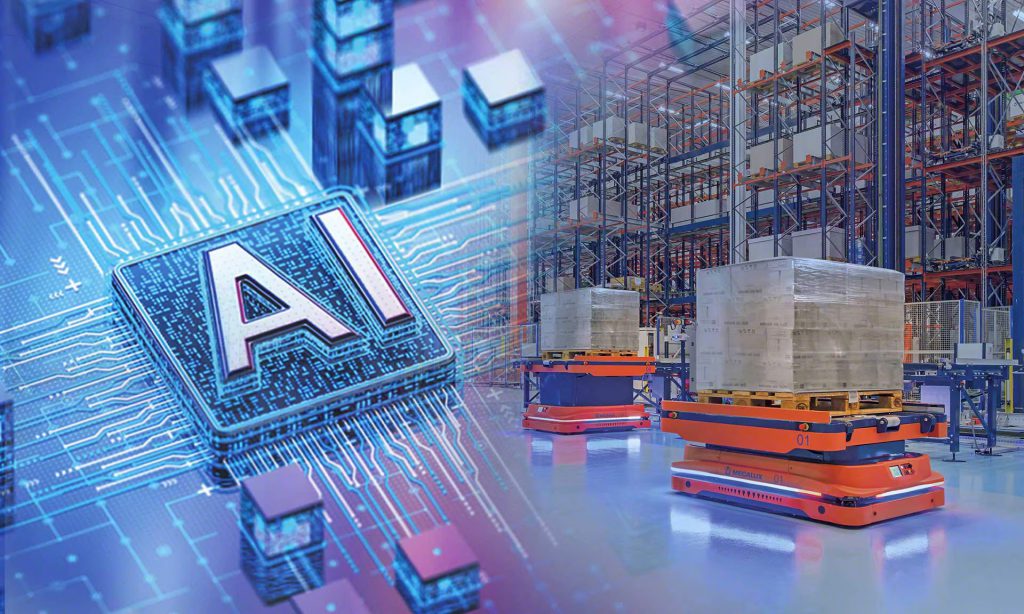
In boardroom discussions, AI initiatives often focus on model accuracy, automation potential, or ROI projections. Far less attention is given to storage infrastructure. Yet storage is frequently the invisible bottleneck in AI value realization.
1. Data Silos Undermine Model Accuracy
AI models depend on complete datasets. When operational data, maintenance logs, quality metrics, and supply chain information reside in separate silos, models are trained on incomplete inputs. The result is insight fragmentation—predictions that lack contextual depth.
Integrated storage solutions consolidate structured and unstructured data into unified environments, ensuring AI systems access a comprehensive operational view rather than segmented snapshots.
2. Performance Constraints Limit Real-Time Value
AI-driven manufacturing decisions—such as automated defect detection or dynamic production adjustments—require low-latency data access. Traditional storage systems not designed for AI workloads struggle under the simultaneous demands of high-throughput ingestion and rapid retrieval.
Integrated, AI-optimized storage architectures—leveraging high-performance tiers and scalable infrastructure—remove this constraint. Intelligence becomes real-time rather than retrospective.
3. Data Governance and Compliance Risks Escalate
Manufacturers operate in regulated environments where traceability, auditability, and cybersecurity are critical. Disconnected storage systems complicate governance frameworks, increasing exposure to compliance risks and operational vulnerabilities.
Integrated storage centralizes policy enforcement, lifecycle management, and security controls—transforming data governance from reactive oversight into proactive control.
Scaling AI: The Economic Imperative
The storage challenge is not static—it is accelerating. The AI-driven storage market itself is projected to reach USD 118.22 billion by 2030, reflecting the rising demand for infrastructure capable of sustaining AI workloads at scale (Source: gitnux.org).
For manufacturing stakeholders, this projection signals a clear trend: AI adoption is expanding, and infrastructure requirements are intensifying. As production lines digitize further and digital twins become standard, storage systems must support:
- Continuous high-speed data ingestion
- Long-term archival of historical production data
- Cross-functional data sharing
- AI model retraining at scale
Without integrated storage capable of elastic scaling, manufacturers face a compounding problem—AI models become increasingly constrained as data volume grows.
Edge AI Without Integration: Tactical Wins, Strategic Gaps
Edge analytics has become essential for reducing latency on factory floors. But when edge systems operate independently from centralized storage ecosystems, organizations create isolated intelligence pockets.
This fragmentation leads to:
- Local optimization without enterprise alignment
- Inconsistent datasets across facilities
- Limited visibility for executive decision-making
An integrated storage framework bridges edge and core environments. Data processed at the edge can seamlessly synchronize with centralized repositories, ensuring tactical insights inform broader strategic models.
The outcome is not just faster decisions—but aligned intelligence across the organization.
Intelligence vs. Data: The Stakeholder Perspective
For executive leadership, the distinction between data and intelligence is financial and operational:
With Integrated Storage Solutions
- AI models operate on high-fidelity, enterprise-wide datasets
- Real-time analytics translate into measurable efficiency gains
- Infrastructure scales alongside digital transformation initiatives
- Governance frameworks remain intact as data volumes expand
Without Integrated Storage Solutions
- Data accumulates without consistent accessibility
- AI performance degrades due to fragmented inputs
- Scaling initiatives stall under infrastructure limitations
- Compliance and security risks increase
In practical terms, organizations without integrated storage risk investing in advanced AI capabilities that never fully translate into competitive advantage.
Storage as a Strategic Enabler of Manufacturing AI
The critical shift stakeholders must make is conceptual. Storage is not a backend utility—it is a strategic AI enabler.
Integrated storage solutions provide:
- Unified data environments across edge and core
- High-performance architectures built for AI workloads
- Scalable infrastructure aligned with growth trajectories
- Centralized governance and lifecycle management
AI generates outputs. Integrated storage ensures those outputs are grounded in accurate, contextual, and accessible data.
Conclusion: Intelligence Requires Infrastructure
Manufacturing AI, on its own, does not guarantee intelligence. It guarantees data processing. True intelligence—actionable, scalable, enterprise-level insight—emerges only when AI systems are supported by integrated storage architectures designed for performance, scale, and governance.
For stakeholders, the decision is clear:
Investing in AI without strengthening storage infrastructure risks creating sophisticated data factories rather than intelligent enterprises.Integrated storage solutions transform AI from a data generator into a strategic engine—where insights are reliable, decisions are timely, and competitive advantage is sustained.