Introduction
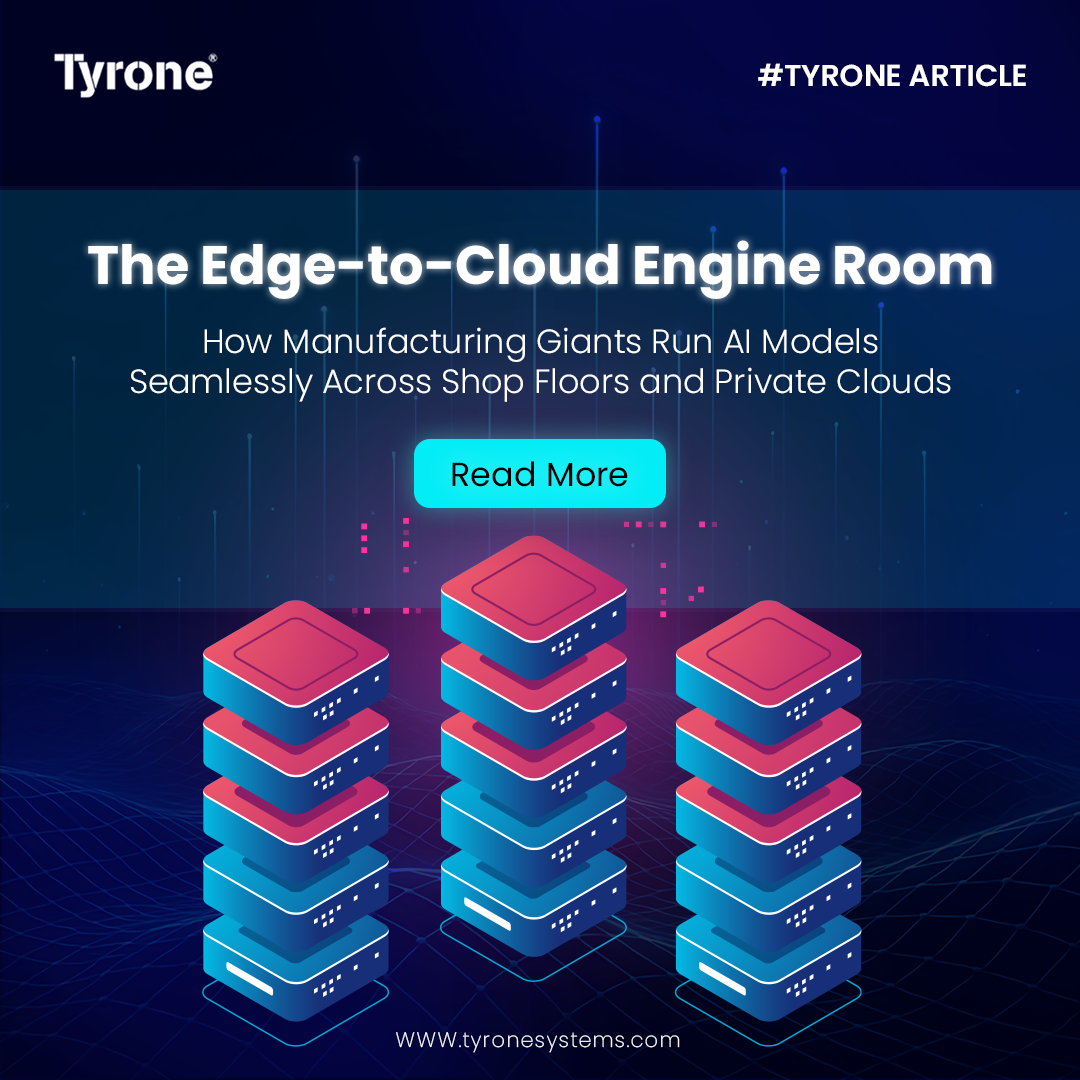
In an era where manufacturing competitiveness depends on agility, quality, and cost-efficiency, the real differentiator is increasingly digital, especially how well companies can deploy AI models not just in isolated pilot projects, but across entire factories, supply chains, and enterprise clouds. The “edge-to-cloud engine room” is not a buzz phrase, it’s the backbone of next-generation industrial operations. For stakeholders, this concept translates to a high-impact leverage point: combining real-time responsiveness on the shop floor with scalable, secure AI orchestration at the enterprise level.
Why Edge-to-Cloud, Not Edge or Cloud
Manufacturing operations span vastly different demands: from millisecond-level reaction to faulty welds on a production line, to large-scale analytics across sites for predictive maintenance, planning, or supply-chain optimisation. Relying on either edge or cloud alone creates trade-offs.
- Edge AI delivers low-latency processing, local data handling (increasing privacy and reducing bandwidth), and resilience to network issues, essential where decisions must occur in real time.
- Cloud AI offers computational muscle, centralized orchestration, massive storage, cross-site data aggregation, analytics, and long-term scalability.
But the real power comes when edge and cloud are orchestrated as parts of a unified architecture, the “engine room.” This hybrid approach enables manufacturers to deploy AI where it matters most (on the shop floor) and simultaneously leverage enterprise-scale insights, analytics, and governance from private cloud infrastructure.
What the Engine Room Looks Like
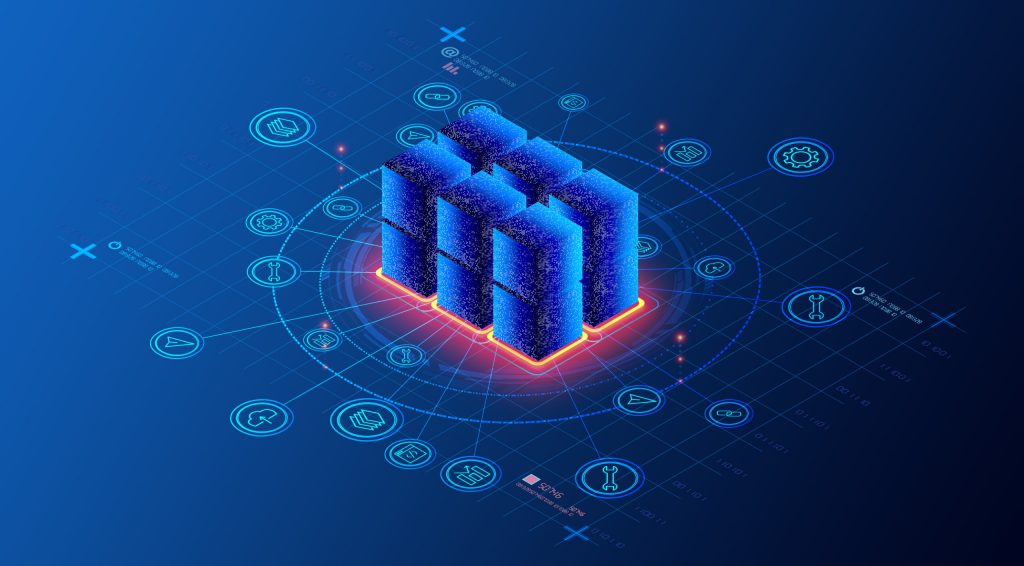
In a robust manufacturing AI deployment, the following architecture layers typically interoperate:
- Edge layer on shop floor – ruggedized controllers, IoT sensors, cameras, actuators, robots, conveyor belts, etc. AI models run here for real-time quality inspection, anomaly detection, robot control, and predictive maintenance.
- Local/Private Cloud (or on-prem data center) – collects cleaned, processed data from multiple edge nodes; aggregates across machines, assembly lines or plants; hosts AI model training, versioning, and orchestration; and enables data governance, compliance and security.
- Enterprise/Hybrid Cloud backbone – for cross-site analytics, supply-chain integration, R&D, digital twin simulations, long-term data storage, dashboards, business reporting and remote control. The hybrid cloud (private + public) gives flexibility, scale, and cost-efficiency.
This layered model ensures speed and responsiveness where required, along with unified control, scalability, and strategic oversight across the manufacturing enterprise.
What Manufacturing Giants Are Achieving
Real-time Quality Control & Defect Detection
Edge-based computer vision and AI-powered inspection systems are deployed directly on production lines. This ensures that defects, misaligned parts, weld flaws, surface anomalies, are detected at the moment they occur. The lag between detection and corrective action shrinks to milliseconds, preventing defective output from progressing further down the line.
Predictive Maintenance & Uptime Maximization
Sensors monitor machine conditions, vibration, temperature, load, and edge AI algorithms evaluate real-time health. Deviations trigger maintenance alerts well before failures occur, drastically reducing unplanned downtime. Industry reports credit predictive maintenance with up to 20–30% reduction in downtime. (Source: Zipdo)
Decentralized Data Ownership, Security & Compliance
Because much data processing happens locally at the edge or within a manufacturer’s private cloud, intellectual property, process parameters, design specs, production logic, remains under enterprise control, reducing risk of data leakage.
Aggregated Intelligence & Cross-site Optimization
Processed edge data streams up to private or enterprise clouds, enabling big-picture insights: cross-plant performance benchmarking, resource utilization analytics, supply-chain forecasting, yield analytics, energy optimization, and more. This continuous feedback loop supports smarter capital expenditure, scheduling, and capacity planning.
Continuous Scaling & Flexibility
As factories add new lines, upgrade machines, or expand geographically, the edge-to-cloud architecture scales, edge nodes can be spun up or retired, while cloud orchestration adapts to evolving data volumes. This flexibility supports both brownfield upgrades and greenfield expansions.
Industry Momentum, Not Just Theory
Adoption of AI in manufacturing is not marginal, it’s accelerating fast. According to recent industry data:
- Around 48% of industrial firms have adopted AI-driven predictive maintenance or other AI-enabled manufacturing functions by 2023. (Source: Zipdo)
- The share of manufacturing companies integrating AI in at least one production process stands at approximately 35%, and overall AI-powered industrial IoT deployments are growing at a compound annual growth rate (CAGR) of ~29% through 2027. (Source: Gitnux)
These numbers underline that edge-to-cloud architectures are not niche or experimental, they’re becoming central to modern industrial strategy.
Critical Considerations for Stakeholders
1. Data Governance, Privacy & Compliance
Edge-to-cloud does not absolve organizations of governance; it shifts the boundary. Enterprises must define clear data ownership policies, access controls, and privacy safeguards, especially when data moves from edge to central cloud. Private or hybrid cloud frameworks often offer necessary control.
2. Integration of OT and IT
Blending Operational Technology (OT, shop floor, sensors, PLCs) with Information Technology (IT, cloud infrastructure, analytics, security) remains a challenge. Legacy equipment, different protocols, siloed data, and organizational silos between plant teams and IT must be addressed.
3. Infrastructure Investment & Change Management
Deploying edge devices, private cloud infrastructure, network connectivity, secure pipelines, and integration frameworks requires capital and skilled resources. The ROI becomes compelling only when implemented at scale, across multiple lines or facilities.
4. Governance and Long-Term Strategy, Not Just Pilots
Many AI deployments stall at the pilot phase. For sustained benefit, companies need an architecture that supports continuous scaling, standardized across plants, allowing edge devices, cloud systems, data flows, and AI governance to evolve in sync.

Conclusion
For manufacturing stakeholders, CEOs, plant heads, CIOs, and operational leadership, the “edge-to-cloud engine room” isn’t optional: it’s strategic. By merging low-latency, real-time intelligence at the shop-floor level with scalable, secure, and centralized orchestration and analytics, this architecture enables manufacturers to raise output quality, reduce downtime, optimize resource utilization, and achieve flexible scalability without compromising data control.
The data speaks clearly: nearly half of industrial firms already deploy AI; investments are accelerating, and those who architect intelligently will not only reap productivity gains but also build a robust foundation for sustainable, connected, and resilient manufacturing.For stakeholders deciding on their next-generation infrastructure, edge-native, cloud-ready, hybrid-designed, this is the time to invest. The factories of tomorrow won’t just build products, they’ll run on intelligent, autonomous decisions.