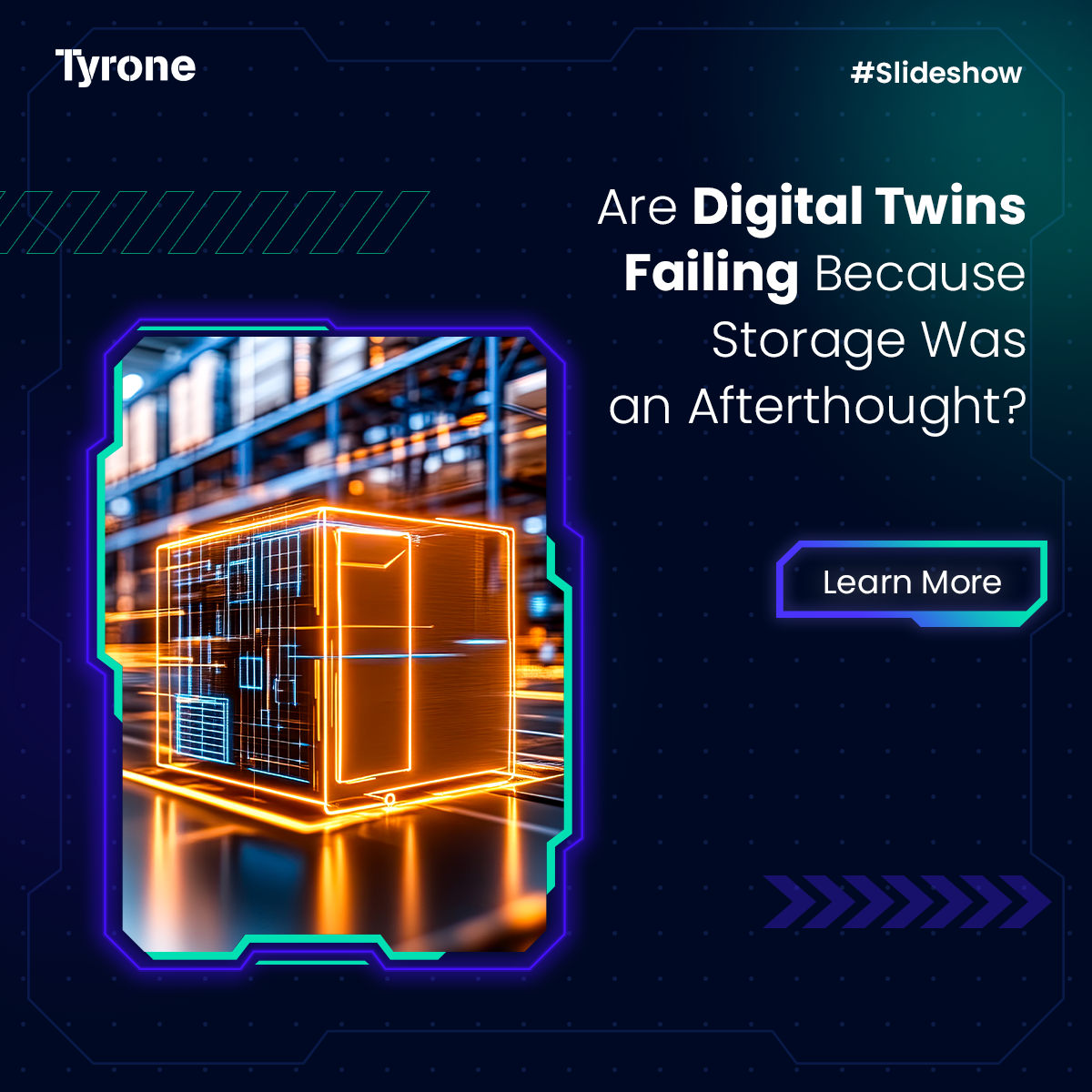
The promise of digital twins—hyper-accurate, real-time virtual replicas of physical assets and systems—is one of the most compelling visions of Industry 4.0. Yet, for many organizations, these ambitious projects stall in pilot purgatory or fail to deliver meaningful ROI. While blame often falls on model complexity or sensor integration, a more fundamental culprit is frequently overlooked: a storage architecture never designed for the deluge of data a living digital twin demands. This is where modern Integrated Storage Solutions, which unify data management across performance tiers and access protocols, become critical. These systems don’t just store a static 3D model; they must ingest relentless, high-velocity telemetry from thousands of IoT sensors, version petabytes of high-fidelity simulation results, and enable milliseconds-latency queries for real-time analytics—all while maintaining a unified, consistent view of the asset’s lifecycle. When storage is treated as a generic commodity backend, it becomes a crippling bottleneck, turning a dynamic simulation into a sluggish, fragmented record. This video argues that the success of a digital twin is determined in the data layer, exploring why purpose-built, scalable, and performant storage isn’t just an IT requirement, but the very foundation upon which the virtual and physical worlds can successfully merge.
Get in touch info@tyronesystems.com