Introduction
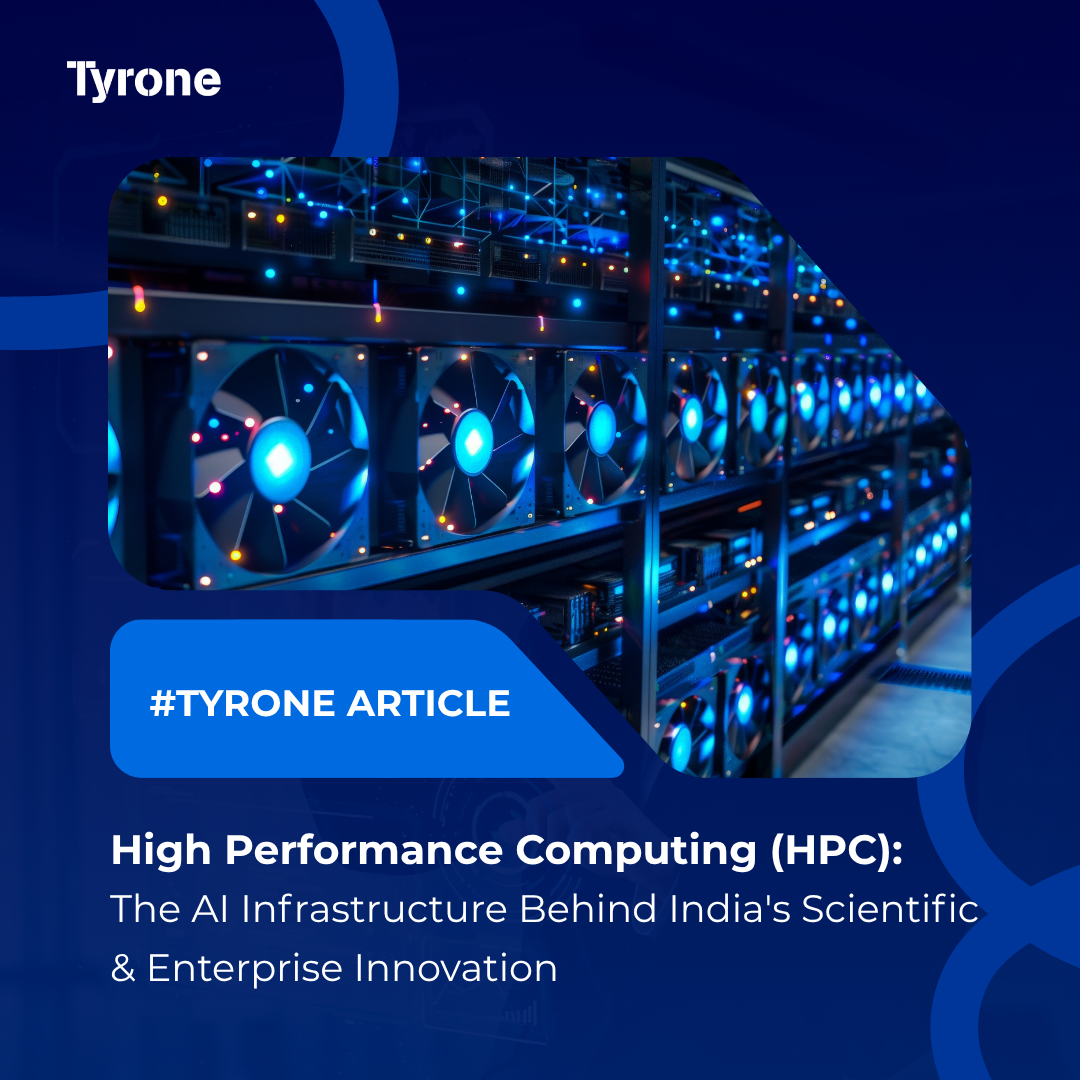
High Performance Computing (HPC) has moved beyond specialised research facilities. As artificial intelligence, simulation, digital twins, genomics, climate modelling and industrial analytics become strategic priorities, HPC infrastructure is becoming a practical requirement for enterprises and institutions. This blog explains why High Performance Computing (HPC) now sits at the centre of India’s scientific and enterprise innovation agenda.
Why HPC is now enterprise AI infrastructure
High Performance Computing (HPC) was traditionally associated with scientific computing, national labs and academic research. That view is no longer complete. Modern enterprises use HPC solutions to run large-scale simulations, accelerate model training, process massive datasets and validate complex engineering decisions. As AI workloads grow in size and complexity, HPC infrastructure becomes the backbone that allows organisations to solve problems that normal IT environments cannot handle efficiently.
The role of computational clusters
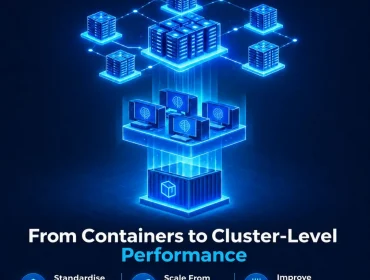
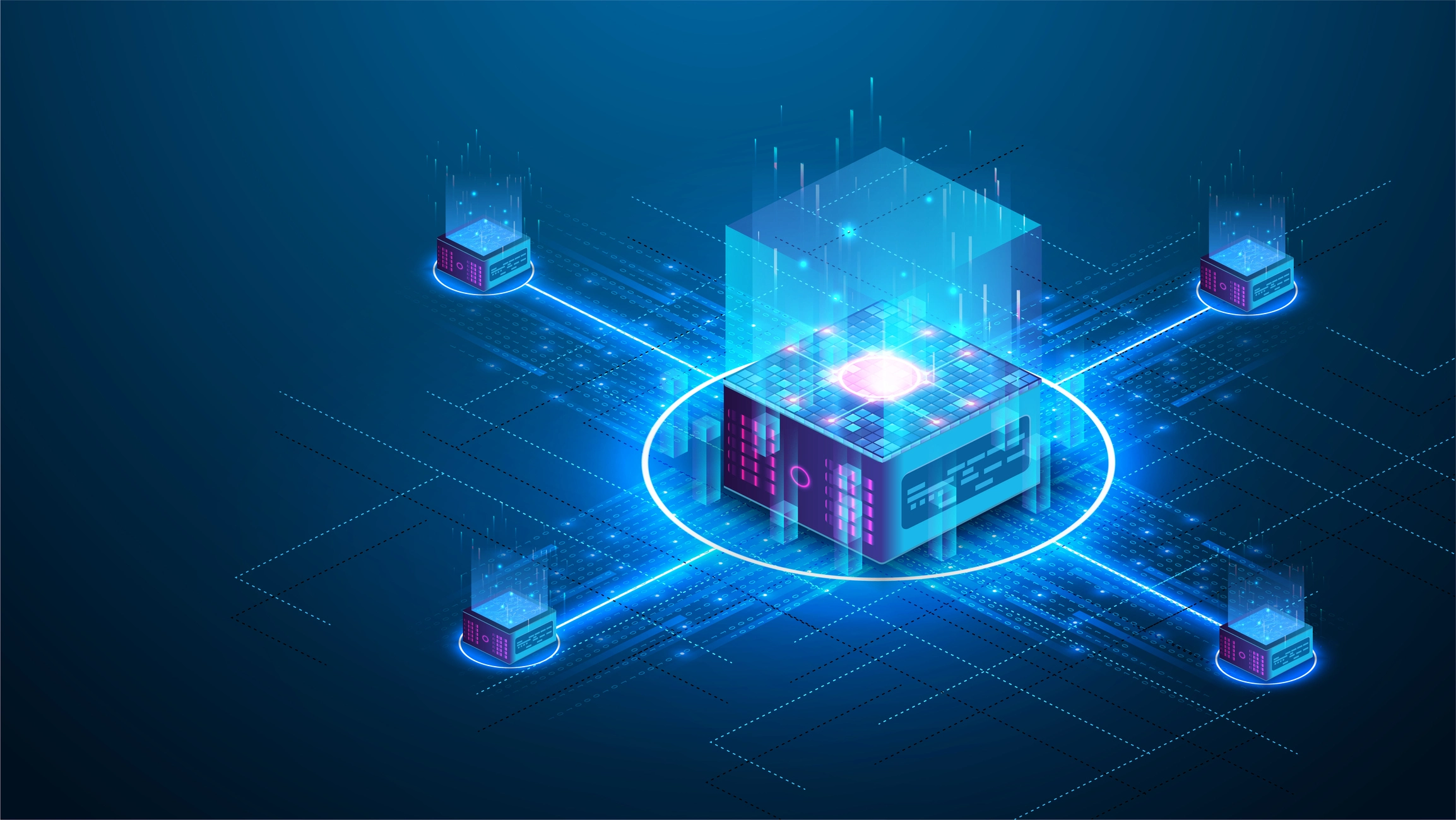
A computational cluster brings together multiple servers, CPUs, GPUs, memory, storage and networking into a coordinated system. For AI and HPC workloads, the cluster is designed to run parallel jobs, distribute heavy computation and reduce the time required for scientific or enterprise problem-solving. This matters for industries such as pharmaceuticals, manufacturing, energy, automotive, defence, financial services and higher education, where speed and accuracy directly influence competitiveness.
Where HPC creates measurable outcomes
The business case for HPC is not only performance. It is decision acceleration. In pharmaceuticals, HPC can shorten research cycles by supporting molecular modelling and data-intensive analysis. In manufacturing, it can improve design validation and digital twin simulations. In financial services, it supports risk analytics and high-volume modelling. Tyrone’s High Performance Computing page highlights applications across pharmaceuticals, autonomous vehicle technology, research and computational workloads (Source: Tyrone Systems). These are not abstract technology use cases; they are business-critical compute requirements.
How AI and HPC are converging
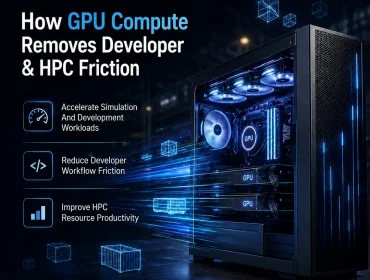
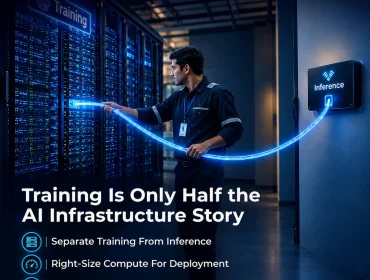
AI and HPC are increasingly sharing the same infrastructure conversation. AI needs accelerated computing for training and inference. HPC needs scalable compute, high-speed networking and optimized storage. Together, AI and HPC allow enterprises to combine simulation, analytics and machine learning into a stronger innovation pipeline. Instead of running AI in one silo and scientific computing in another, stakeholders can plan infrastructure that supports both.
What stakeholders should prioritise
For CTOs, CIOs and research leaders, the priority is not simply buying more nodes. The real question is workload fit. Does the HPC infrastructure support CPU-heavy simulations, GPU-heavy AI workloads, data-intensive pipelines and multi-user scheduling? Can it scale as workloads mature? Can it integrate with enterprise storage, security and application environments? These questions decide whether HPC becomes a strategic platform or another underutilized technology investment.
Why HPC is entering boardroom conversations
HPC is becoming relevant to business stakeholders because complex computation now affects product cycles, operational resilience and innovation speed. Faster simulation can shorten design decisions. Better modelling can reduce uncertainty in financial and scientific planning. Advanced analytics can help leadership see risk earlier. When HPC infrastructure improves the speed and quality of decisions, it becomes part of enterprise strategy rather than a niche technical asset.
The infrastructure design lens
A modern HPC environment must be designed around workload patterns. Some workloads are CPU-heavy, others are GPU-intensive, and many require rapid data movement between compute and storage. Networking, job scheduling, application libraries, containerized environments and support models all influence whether the cluster performs as expected. This is why HPC solutions should be mapped to real workloads before procurement decisions are finalised.
Why India needs HPC-ready enterprises
India’s innovation priorities in AI, manufacturing, life sciences, mobility and deeptech will require more organisations to access high performance scientific computing. Enterprises that build HPC capability now will be better positioned to participate in advanced research partnerships, accelerate industrial R&D and build AI systems that require more than standard compute environments.
How to avoid underpowered HPC decisions
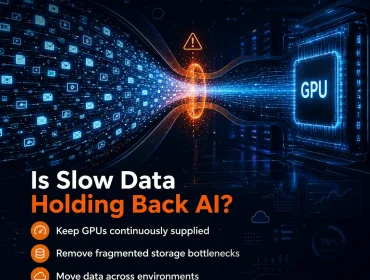
The biggest mistake is to treat HPC as a generic server purchase. High performance scientific computing depends on balance across compute, memory, storage, interconnects and software environments. If one layer is weak, the full cluster underperforms. Stakeholders should therefore evaluate HPC infrastructure through workload benchmarks, application needs, data volumes, scaling expectations and support requirements rather than headline specifications alone.
Connecting HPC to AI impact
HPC becomes especially valuable when it shortens the path from calculation to decision. A model that runs overnight instead of over several days can change how quickly teams validate hypotheses, optimise products or detect risks. This is where HPC infrastructure becomes part of AI impact: it gives enterprises the computing depth needed to turn advanced ideas into practical, timed outcomes.
Tyrone HPC solutions for scientific and enterprise innovation
For organisations that need a stronger compute foundation, Tyrone High Performance Computing (HPC) solutions can support computational clusters, simulation, modelling, research, AI training and enterprise analytics. These environments can be designed around CPU-heavy scientific workloads, GPU-heavy AI workloads, scalable storage, high-speed networking and workload scheduling. Where AI teams also need controlled access to shared GPUs, Skylus AI GPU Workspaces can complement the HPC layer by improving allocation, visibility and project-level governance across AI/ML workloads.
Procurement should follow workload maturity
A practical HPC plan starts with identifying whether the organisation is supporting research, simulation, AI training, analytics or mixed workloads. This maturity lens helps teams choose the right balance of CPU, GPU, storage and networking while keeping future scale in view.
Conclusion
High Performance Computing (HPC) is becoming the AI infrastructure layer behind India’s next wave of scientific and enterprise innovation. It gives institutions and enterprises the ability to run larger models, faster simulations and more complex workloads with confidence. For India’s AI and scientific ambitions, HPC is no longer a back-end technical discussion; it is a strategic enabler of measurable innovation.
Quick Comparison Table
| HPC Capability | Enterprise Use Case | Strategic Value |
| Parallel Processing | Large simulations and modelling | Solves complex problems faster |
| GPU Computing | AI training and inference | Improves model performance and iteration speed |
| High-Speed Networking | Cluster communication | Reduces latency across compute nodes |
| Scalable Storage | Large scientific datasets | Keeps workloads data-ready |
| Workload Scheduling | Shared cluster access | Improves utilization and governance |
Frequently Asked Questions
What is High Performance Computing (HPC)?
High Performance Computing (HPC) uses clusters of powerful compute systems to solve complex scientific, engineering, AI and enterprise workloads.
How does HPC support AI?
HPC supports AI by providing accelerated compute, networking and storage capabilities for model training, inference, simulations and large-scale data processing.
What industries use HPC infrastructure?
Pharma, manufacturing, automotive, academia, government, energy and financial services use HPC infrastructure for simulation, modelling and analytics.
Which Tyrone product supports HPC workloads?
Tyrone High Performance Computing (HPC) supports organisations that need scalable infrastructure for simulation, scientific computing, modelling, AI training and enterprise innovation.