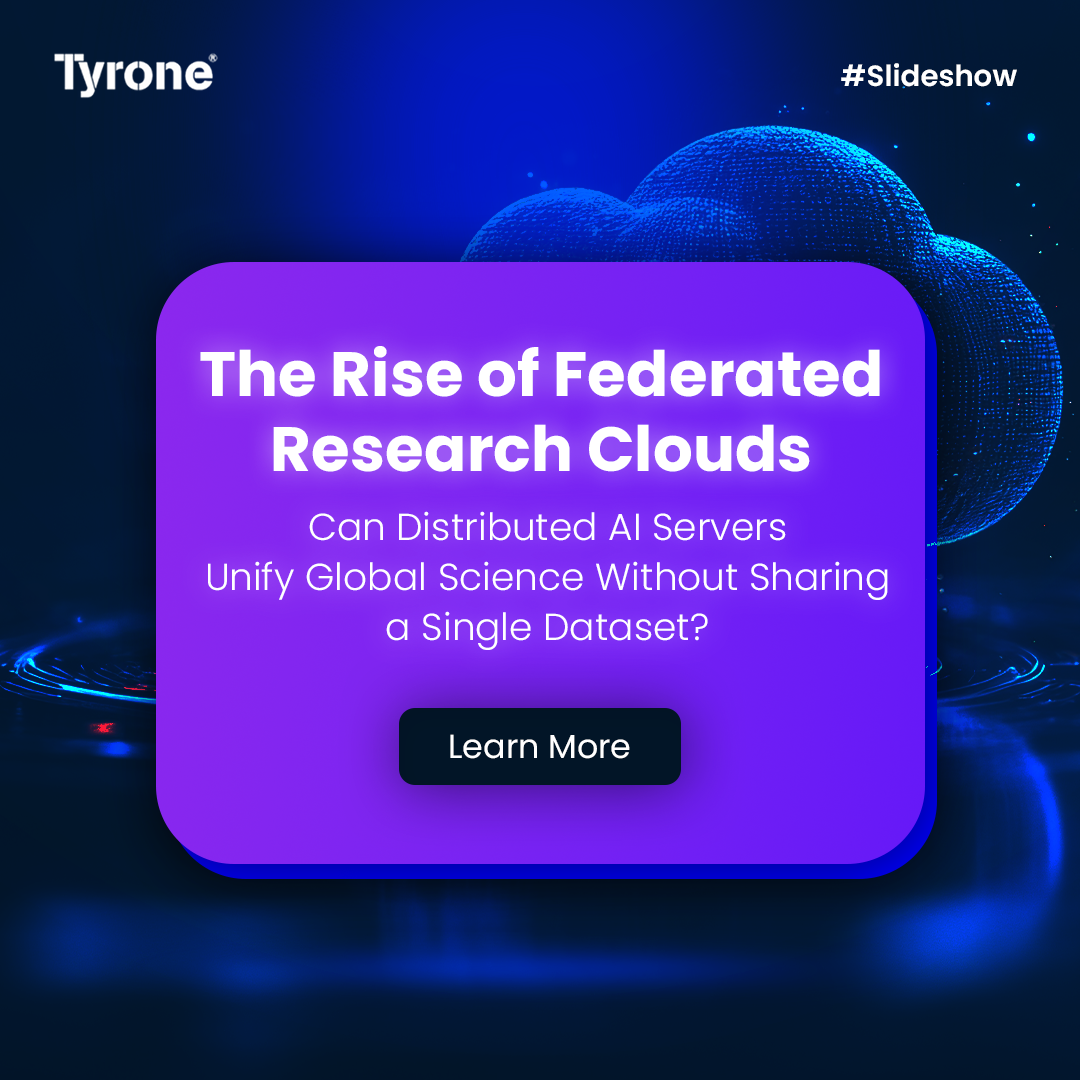
In an era where scientific progress hinges on vast, diverse datasets—from genomics and climate modeling to particle physics—the greatest barrier to discovery is often not a lack of data, but the legal and ethical impossibility of sharing it across borders. Federated research clouds are emerging as a revolutionary architecture to solve this dilemma, creating a unified computational fabric from geographically dispersed AI servers. In this model, institutions worldwide contribute compute power and algorithmic insight rather than raw data, allowing a global AI model to be trained iteratively across thousands of secure, sovereign nodes. Each participating lab’s AI server trains on local, sensitive datasets—be it protected biodiversity records, confidential patient genomes, or proprietary materials science data—and only shares encrypted model updates. This paradigm promises to accelerate breakthroughs in fields hampered by data silos, enabling collaborative science that respects sovereignty, privacy, and intellectual property. This video explores whether federated clouds can truly become the backbone of global research, creating a sum greater than its parts without ever pooling a single byte of the parts themselves.
Get in touch info@tyronesystems.com